
Zone Controls: End the Temperature Battle in Your Home
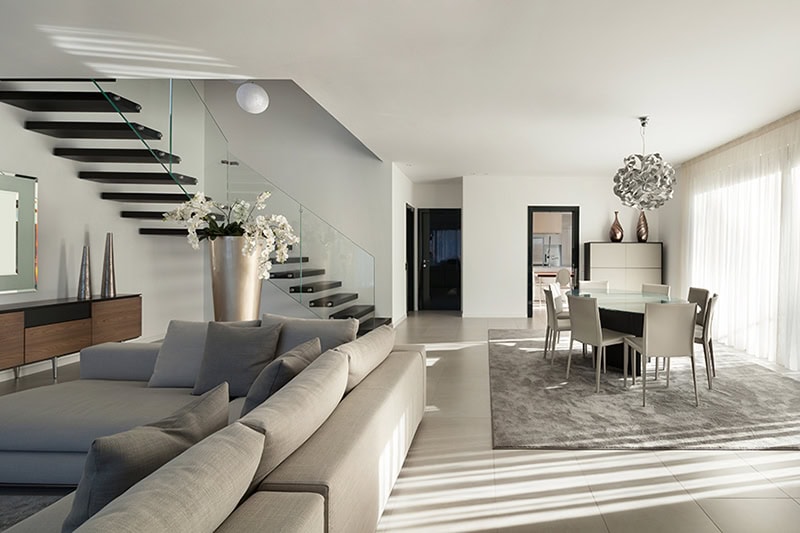
We’ve all been there: one person is sneaking over to bump the thermostat up a few degrees while someone else is quietly turning it right back down. What feels perfectly comfortable to one family member can feel like the Arctic tundra to another. Before long, control over the thermostat becomes the center of an ongoing household debate.
The good news? There’s a better solution than constantly adjusting the temperature for everyone under one roof. That solution is zone control.
In this guide, Dana’s Heating covers how zone control works, its key benefits, and why it could be the answer to ending thermostat battles once and for all for many homeowners in Bremerton, WA, and surrounding Kitsap Peninsula communities.
What Is HVAC Zoning?
HVAC zoning is a system that divides your home into separate comfort zones, each with its own thermostat that can set heating or cooling independently from the others. Rather than treating your entire house as one large space, zoning allows your HVAC system to respond to the unique needs of different areas.
For example, you might create separate zones for:
- Upstairs bedrooms
- Main living areas
- Basement spaces
- Home offices
- Guest rooms
- Finished bonus rooms
Each zone can maintain its own temperature setting without affecting the rest of the home.
This level of control is especially valuable in multi-story homes throughout Bremerton and neighboring communities, where warm air naturally rises and temperature differences between floors are common.
Why Multi-Story Homes Often Have Temperature Problems
Most homes have a traditional HVAC setup with a single thermostat. That thermostat measures the temperature in only one location and tells the system when to turn on or off.
The challenge is that conditions can vary throughout the house:
- Upper floors typically become warmer than lower levels.
- Rooms with large windows gain more solar heat.
- Basements usually stay cooler year-round.
- Guest rooms may sit unused for days or weeks.
- Home offices generate additional heat from electronics.
When a single thermostat controls the entire home, it cannot accurately account for all these differences. As a result, some rooms become too hot while others remain too cold. Family members constantly adjust the thermostat, creating what we like to call the “temperature battle.”
How Zone Control Systems Work
A zoning system uses three primary components:
1. Multiple Thermostats
Each zone receives its own thermostat. These thermostats monitor temperatures independently and communicate with a central zoning panel. If the upstairs area becomes too warm, the thermostat in that zone can call for cooling without impacting other zones that are already comfortable.
2. Motorized Dampers
Dampers are installed within the ductwork and act like traffic directors for airflow. When a zone needs heating or cooling, the dampers for that area open while others may partially close. This helps direct conditioned air where it is needed most.
Think of it as adjusting the flow of water through different pipes. The system sends air to the rooms requiring comfort rather than delivering the same amount everywhere.
3. Zone Control Panel
The control panel receives signals from each thermostat and coordinates damper positions to ensure the HVAC system delivers heating or cooling efficiently throughout the home. Together, these components create a smarter, more responsive comfort system.
Energy Savings Through Smarter Heating and Cooling
One of the biggest advantages of HVAC zoning is improved energy efficiency.
Without zoning, your system may condition rooms that nobody is using. Guest bedrooms, storage areas, and seldom-used living spaces often receive the same amount of heated or cooled air as occupied rooms.
With a properly designed zoning system, you can:
- Reduce conditioning in unused rooms
- Focus on comfort where your family spends the most time
- Avoid overheating or overcooling areas
- Improve overall system efficiency
- Potentially lower monthly utility costs
For example, if your family spends the evenings primarily on the main floor, there may be little reason to maintain the same temperature in the upstairs guest rooms. By conditioning only the spaces that need attention, your HVAC system works strategically rather than harder.
Improved Comfort Year-Round
Energy savings are important, but comfort is often the benefit homeowners notice first. Imagine being able to keep bedrooms cooler for sleeping while keeping the living room warmer for family activities. Or maintaining a comfortable temperature in a home office without affecting the rest of the house.
Zone controls provide a customized comfort experience that a single-thermostat system simply cannot achieve. Many homeowners are surprised by how much more balanced their home feels once zoning addresses airflow distribution issues.
Instead of making compromises, each area of the home can operate according to the preferences and needs of its users.
Is Your Home a Good Candidate for Zone Controls?
While zoning can benefit many properties, certain homes often see the most dramatic improvements.
You may be an ideal candidate if your home includes:
- Multiple stories
- Finished basements
- Bonus rooms over garages
- Large floor plans
- High ceilings
- Rooms with large window exposure
- Family members with different temperature preferences
- Areas that are regularly unused
If you find yourself constantly adjusting the thermostat or dealing with hot and cold spots, zoning may be an effective solution. An HVAC professional from Dana's Heating can evaluate your existing system and determine whether zoning can be integrated into your ductwork.
Can Zone Controls Work With Existing HVAC Systems?
In many cases, yes, zone controls can be retrofitted to your existing HVAC system.
Homeowners are often surprised to learn that zoning can sometimes be added to an existing forced-air heating and cooling system. The specific requirements depend on factors such as duct design, equipment capacity, and overall system condition.
Because every home is different, a professional assessment is essential. During an evaluation, we examine your home’s layout, comfort concerns, and HVAC equipment to determine the most effective zoning strategy.
Why Professional Design Matters
Zone control systems deliver the best results when they are properly engineered and installed. A poorly designed system can create airflow issues, pressure imbalances, and reduced performance. That’s why proper load calculations, ductwork evaluation, thermostat placement, and damper configuration are critical.
At Dana’s Heating, we take a whole-home approach to comfort. Our team evaluates how your HVAC system operates, identifies the causes of uneven temperatures, and recommends solutions designed specifically for your home.
The goal isn’t simply to add equipment; we want to create a system that delivers reliable comfort, efficiency, and performance for years to come.
End the Thermostat Wars for Good
If certain rooms in your home never seem comfortable, or your family constantly disagrees about thermostat settings, HVAC zoning could be the answer.
By combining multiple thermostats with intelligent damper controls, zone control systems allow you to heat and cool only the spaces you are actively using. The result is greater comfort, improved efficiency, and better control over your indoor environment.
For homeowners in Bremerton, WA, and our surrounding service areas, Dana’s Heating can help determine whether zone controls are the right solution for your home. Call our team today at Dana’s Heating to learn how HVAC zoning can end the temperature battle and create a more comfortable living space year-round. You can also conveniently request service online.