
Oil Furnace vs. Gas Furnace: What Are the Differences?
When winter sets in across Kitsap County, having a dependable, efficient furnace isn’t just a convenience; it’s a necessity. So, when yours starts to falter mid-winter, you’ll have to decide: repair or replace—and if you have to replace, do you stick with oil or switch to gas?
Choosing the right heating fuel isn’t always as simple as picking the most popular one. Some homes in Bremerton, Bainbridge Island, Port Orchard, and Poulsbo still rely on oil furnaces, while others are considering switching to natural gas or propane as availability expands.
If you’re weighing your options, understanding the differences between oil furnaces and gas furnaces can help you make a confident, long-term decision.
And when you need expert guidance—whether you’re maintaining an older oil furnace or considering a conversion to cleaner fuel—Dana’s Heating & Cooling has been your trusted local partner for decades.
How Oil Furnaces Work
Oil furnaces burn heating oil that’s stored in an on-site tank, typically located in the basement, garage, or outdoors. When the thermostat calls for heat, oil is pumped from the tank to the burner, ignited, and used to warm air that’s distributed throughout the home.
Oil heat has long been a staple in rural and remote areas where natural gas lines aren’t available. While oil systems may feel “old-fashioned,” many are still running reliably after decades of use.
How Gas Furnaces Work
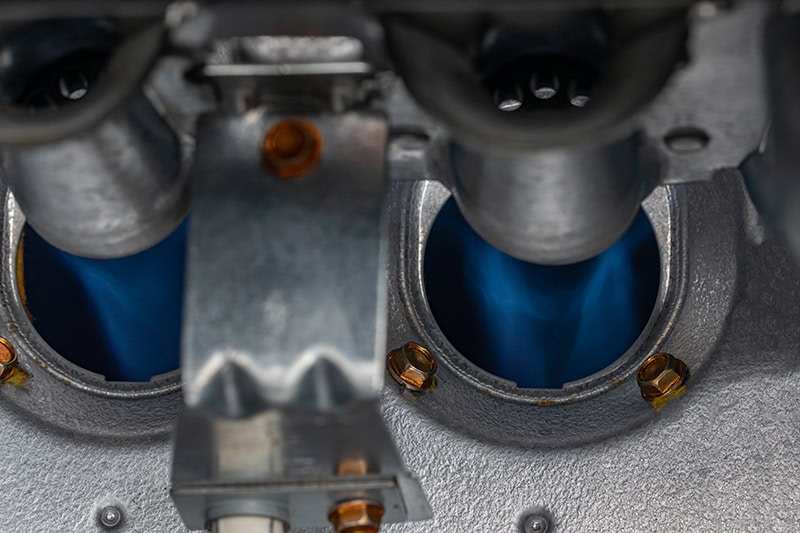
Gas furnaces use natural gas (or propane in areas without gas lines) delivered via underground piping or a propane tank. Gas is ignited in a sealed combustion chamber and used to heat air that circulates through the ductwork.
Gas furnaces are a common choice in many regions of the Pacific Northwest due to their efficiency, convenience, and lower emissions than oil furnaces.
Oil vs. Gas: Key Differences Homeowners Should Know
Three percent of homes in Kitsap County still rely on fuel oil; for many, simply because natural gas service isn’t available. While this may not seem like a lot, that’s over 3.5k homes still relying on oil for heat. That said, infrastructure is changing, and rural homeowners with access to new gas lines often consider conversion for cost and efficiency benefits.
Both systems can keep your home warm and comfortable—but they differ significantly in efficiency, lifespan, maintenance requirements, and overall operating experience.
1. Oil and Gas Furnace Comparison of Efficiency and Fuel Costs
Modern gas furnaces generally offer higher efficiency ratings than oil furnaces. High-efficiency gas models can reach AFUE ratings of 90%–98%, meaning more of the fuel you pay for is converted into usable heat. Additionally, natural gas often offers more stable, competitive pricing.
Oil furnaces typically operate in the 80%–90% AFUE range, with some older units achieving even lower AFUE ratings. While oil produces a very strong, consistent heat, it often costs more per gallon than gas and is subject to price fluctuations.
2. Heat Quality and Comfort of Oil and Gas Furnaces
Many homeowners describe oil heat as “warmer” or more consistent. Oil furnaces produce higher-temperature air, which can quickly make homes feel cozy, especially during frigid winters.
Gas furnaces deliver slightly cooler air but often cycle more frequently, maintaining steady indoor temperatures. When paired with modern thermostats, both systems can provide excellent comfort.
3. Lifespan and Durability of Oil and Gas Furnace
Oil furnaces are known for their longevity. With proper maintenance, many oil systems last 25–30 years, and some even longer. Their heavy-duty heat exchangers are built to handle high temperatures over time.
Gas furnaces typically have a shorter lifespan of 15–20 years. While highly efficient, they contain more electronic components that may wear out sooner.
No matter the type, routine maintenance is the key to reaching—or exceeding—those lifespan expectations. Dana’s has been servicing oil and gas furnace systems in Bremerton homes for years, helping customers get the most life out of their investment.
4. Oil and Gas Furnace Maintenance Requirements
Oil furnaces require more hands-on maintenance. Annual professional service is critical and includes:
- Cleaning the burner and combustion chamber
- Replacing oil filters and nozzles
- Inspecting the fuel pump and ignition system
Skipping maintenance can lead to soot buildup, reduced efficiency, and system failure.
Gas furnaces are generally cleaner-burning and require less intensive service, though annual inspections are still recommended to check heat exchangers, burners, and safety controls.
This is where working with a local expert pays off: Dana’s Heating & Cooling technicians know oil and gas systems inside and out, even older models.
5. Storage, Odor, and Environmental Factors [h3]
Oil systems require an on-site storage tank, which takes up space and must be monitored for leaks or corrosion. There can also be mild fuel odors, especially during deliveries or servicing.
Gas systems don’t require fuel storage inside the home and produce fewer emissions. Many homeowners choose gas when looking to reduce environmental impact or simplify home maintenance.
Is a Furnace Fuel Conversion Worth It?
For rural homeowners in Kitsap County and surrounding areas with aging oil furnaces, a fuel conversion can be an attractive option, particularly when gas service becomes available or propane pricing is favorable.
Converting to gas can:
- Lower long-term fuel costs
- Reduce maintenance needs
- Improve efficiency and emissions
- Eliminate the need for an oil tank
That said, not every home is an ideal candidate. Converting from oil to gas is a larger project—involving gas line hookup, venting changes, and new equipment—but it can pay off in the long term through efficiency gains.
Trust a Local Expert for Furnace Repairs or Conversions
From keeping legacy systems running safely to helping homeowners transition to modern, efficient gas heating, Dana’s Heating & Cooling understands the unique needs of Kitsap homes—and how to balance comfort, cost, and reliability.
For generations, Dana’s Heating & Cooling has been the go-to resource for Bremerton and rural homeowners who need:
- Oil furnace servicing and tune-ups
- Gas furnace installation and repair
- Fuel conversion expertise
- Honest advice and transparent pricing
- Reliable, local HVAC technicians who show up on time
We know rural heating challenges better than most. Whether your furnace is ancient and reliable or you’re eyeing today’s high-efficiency gas systems, Dana’s team offers personalized heating solutions that make sense for your home. Call us today at 360-226-7369 or request service online.
We’ll assess your current system, explain your options, and help you choose the most efficient, cost-effective solution for your unique situation.